In 1386, two kingdoms on the western edge of Europe signed a treaty that would outlive empires, revolutions, and world wars.
England and Portugal signed the Treaty of Windsor.
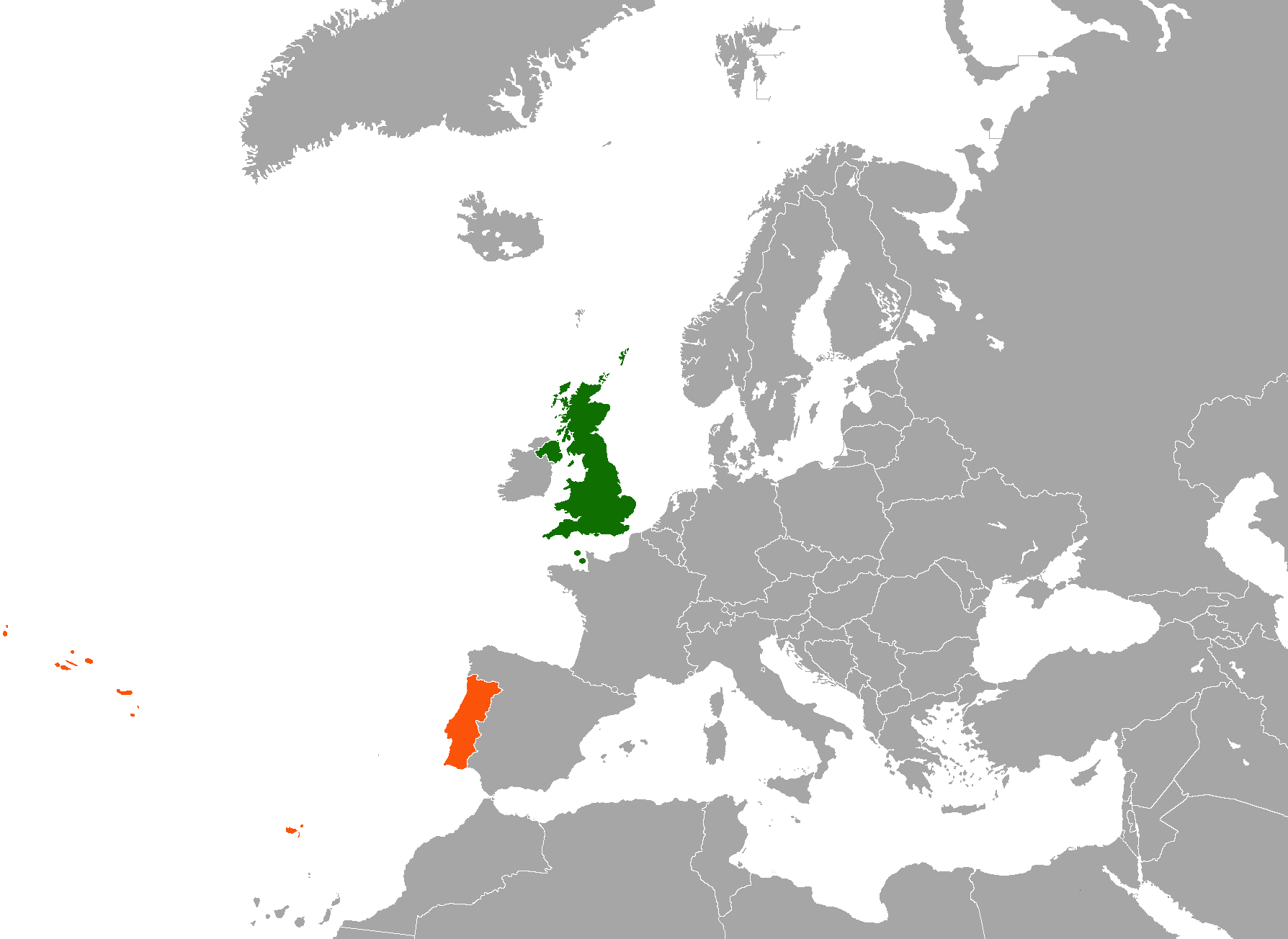
The treaty promised:
- Mutual friendship
- Mutual defense
- A permanent alliance
More than 600 years later, it has never been officially canceled. It is widely recognized as the oldest alliance still in force. But why did these two countries form such a long-lasting partnership in the first place?
The answer is strategy, geography, and Spain.
The Main Reason: Spain
In the late 14th century, the Iberian Peninsula was unstable. Portugal had just secured its independence after defeating Castile in the 1383–1385 Crisis. Spain as we know it today did not yet exist, but Castile was powerful and expanding. Portugal’s biggest concern was simple:
It did not want to be absorbed by Castile.
Meanwhile, England had its own strategic thinking.
For centuries, England’s main foreign policy goal in Europe was to prevent any single power from dominating the continent. A stronger Castile — and later Spain — was not in England’s interest. That was the point where their interests matched.
Portugal needed protection.
England needed balance of power.
Geography Made the Alliance Logical
If Portugal had been conquered, Spain would have controlled almost the entire Atlantic coastline of Iberia.
That would have meant:
- More major ports
- More shipbuilding capacity
- Full access to Atlantic trade routes
This was important because the Atlantic was becoming the future of global power. Islands like Madeira and later the Azores were key steppingstones into the Atlantic. If Spain controlled them all, it would have been much harder for England to expand overseas. Therefore, supporting Portugal was not charity. It was long-term strategic planning.
Dynastic Support Strengthened It
The treaty was reinforced by a royal marriage between King João I of Portugal and Philippa of Lancaster, daughter of John of Gaunt. This was not just symbolic. In medieval politics, marriage meant commitment. It tied the ruling families together and made the alliance harder to break.
The Alliance in Action
This was not just medieval paperwork. Over the centuries, England (and later Britain) supported Portugal several times.
- During conflicts with Spain
- During the Napoleonic Wars, when British and Portuguese forces fought together against Napoleon Bonaparte
- During World War II, when Britain used bases in the Azores
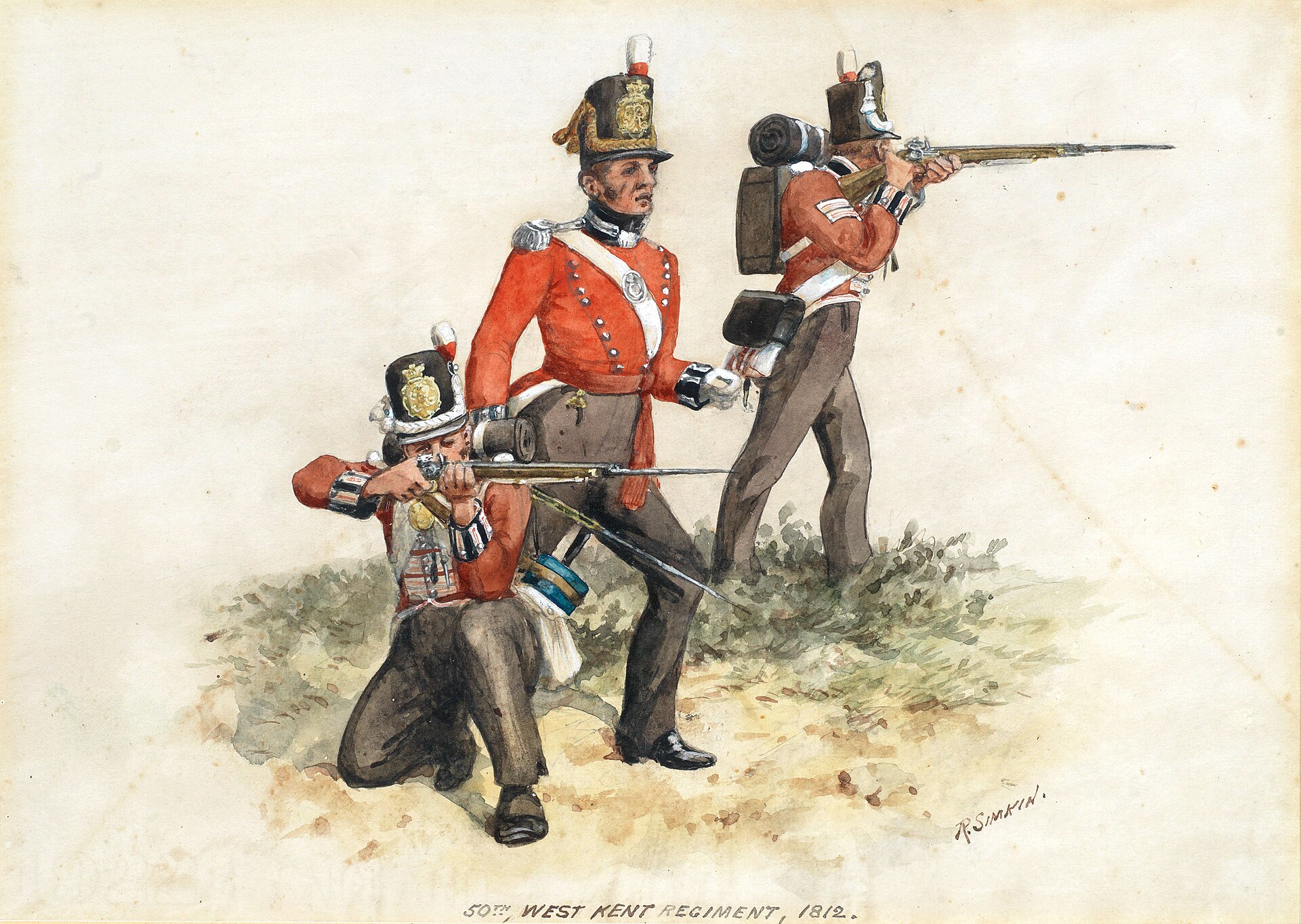
The treaty was even referenced in modern diplomatic discussions. That shows it was more than a historical relic.
Why It Still Exists
Under international law, a treaty remains valid unless:
- One side formally cancels it
- Or it becomes completely meaningless
Neither has happened here. The alliance today is not an active military pact like NATO, but it still legally exists. It survives because the original reasons behind it — geography and shared interests — never fully disappeared.