When we think about Japanese battleships of the early 20th century, names like Yamato will often comes in mind. Today we will be talking about Japanese Battleship Mustu that survived diplomatic battles only to meet a tragic and anticlimactic end during World War II.
Before we dive into Mutsu’s story, it is important to understand the Washington Naval Conference that tried to stop the naval arms race happening again after World War 1. One major clause from Washington Naval Treaty stated that any capital ships under construction when the treaty was signed must be scrapped; which included Mustu.
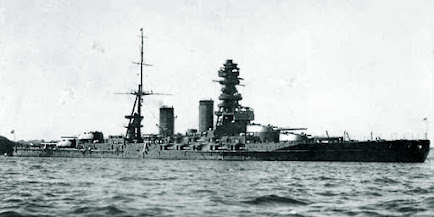

Mutsu’s Narrow Escape from the Scrapyard
At the time of the Washington Conference, Mutsu was still under the end of the construction. However, unlike Nagato (Japan) and Maryland (USA), which were completed just before the treaty, Mustu was still not completed. However Japanese navy was threatening their diplomats to make sure Mustu must be constructed as.
- Scrapping a nearly completed battleship would waste materials, money, and skilled labor.
- Naval strategists believed battleships needed to operate at least in pairs. With only Nagato completed, losing Mutsu would cripple their battle squadron strategy.
In a bold move, Japanese navy moved patients from a naval hospital onto Mutsu and declared the ship “in active service.” With all these efforts, Britain and the United States agreed to let Mutsu in service if Japan allowed each nation to build two new 16-inch battleships.
Japan agreed to this because they believed that.
- It will take years for United States to build 16-inch battleships as the US navy had no background to constructing one.
- Forcing other countries to build expensive ships will drain their resources while Japan use it elsewhere.
- if they went to war with the United States, British will be there to fight on two side of the ocean against the United States.
Mutsu’s Short-Lived Career and Tragic End
Despite all the political maneuvering to save Mutsu, the ship accomplished almost nothing in battle.
On June 8, 1943, while anchored at Kure Naval Base (near Hiroshima), Mutsu suddenly exploded around 12:10 p.m.
The blast originated from her third main gun turret.
Out of 1,474 crew members aboard, only 353 survived.